
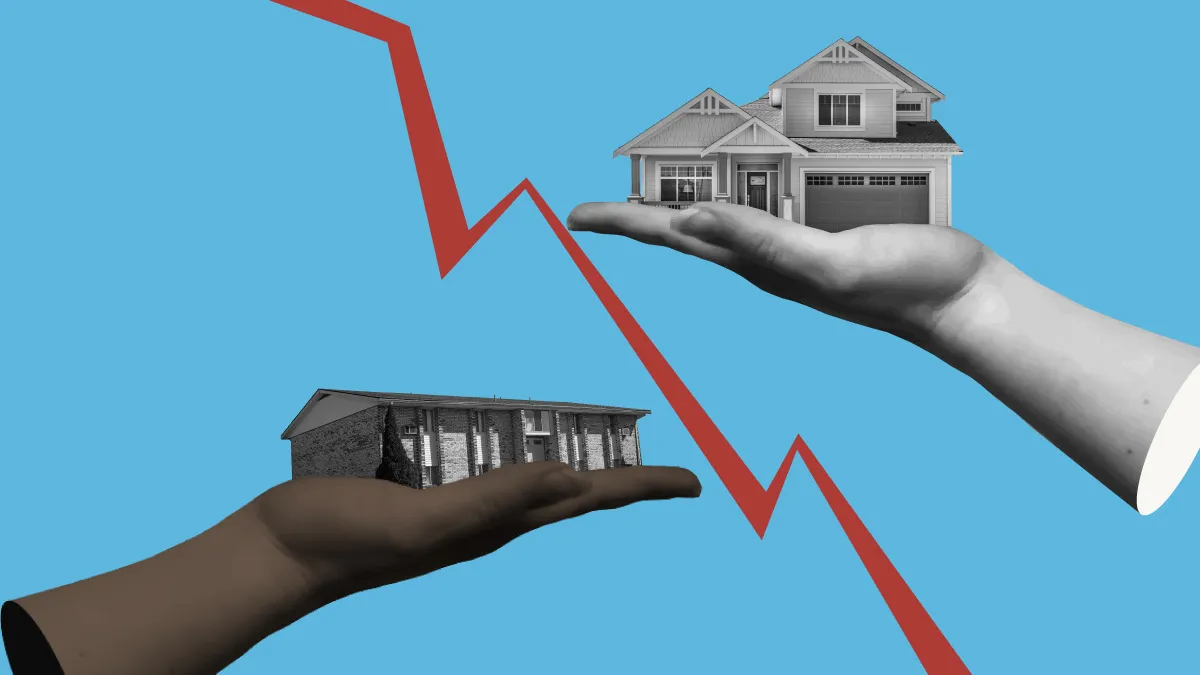
The meaning and value of homeownership continue to change as lifestyle preferences, economic pressures, and social trends reshape the housing market. As people balance flexibility, financial realities, and evolving priorities, new patterns emerge that signal a broader transformation in how and where we choose to live. Individuals searching for Ephraim Homes for Sale are increasingly approaching their options differently than previous generations.
Understanding these shifts offers valuable insight for both buyers and sellers. Changing aspirations, climate concerns, and generational values are shaping how people pursue the American Dream, sometimes challenging the notion entirely. Today’s home seekers weigh an array of factors, from sustainability to the ability to work remotely, which in turn affects where and what they buy or rent.
The rise of renting, increased demand for eco-friendly spaces, and the impact of economic factors all play critical roles in this landscape. In this article, we’ll explore the multifaceted reasons behind these emerging trends and help you navigate the evolving housing market.
These changing realities are not just local phenomena. They are shaping a national conversation, with major publications such as The New York Times spotlighting the adaptive strategies of renters and homebuyers alike.
The Rise of Renting as a Lifestyle Choice
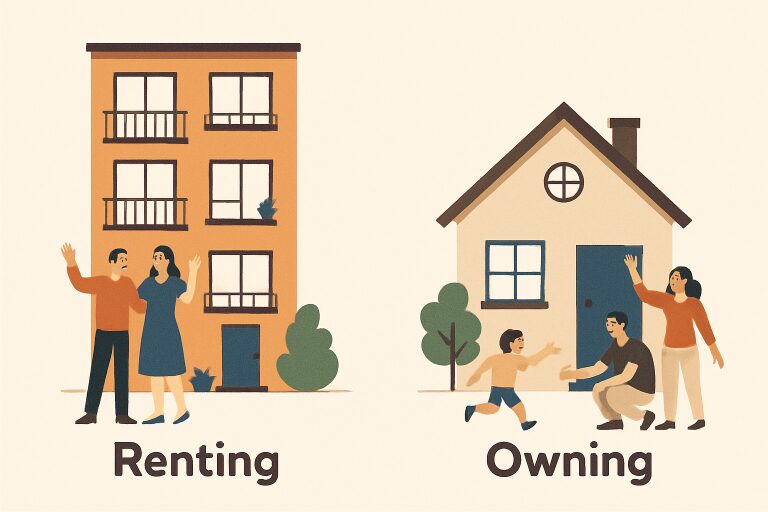
Homeownership was once synonymous with stability and success. However, recent trends suggest a fundamental shift in mindset. Many individuals are now choosing to rent for the freedom and convenience it provides, not simply because they cannot afford to buy. According to a survey by Knightvest Capital, almost half of today’s renters rent by choice rather than necessity, and many view it as a long-term arrangement.
This shift reflects a growing appreciation for flexibility. Renting allows people to more easily relocate for job opportunities or lifestyle changes, and they are relieved of the maintenance worries and financial pressures tied to homeownership. As a result, renting is now seen by many as a practical and attractive path, rather than a transitional phase before buying a home.
Remote Work and Housing Preferences
The widespread adoption of remote and hybrid work has significantly broadened housing options for millions of people. The need to live near urban job centers has declined. With more companies supporting remote roles, many workers are looking for homes in suburban or rural areas where they can enjoy larger spaces, quieter environments, and a broader choice of real estate. Features like home offices, spacious outdoor areas, and smart home technology are becoming increasingly desirable.
Data from Fannie Mae highlights a surge in home renovations dedicated to accommodating these new needs, with over half of consumers reconfiguring their living spaces. This adaptability demonstrates how our work life can directly impact where and how we want to live.
Climate Concerns Influencing Relocation Decisions
Environmental awareness is no longer a fringe consideration for homebuyers and owners. Concerns about climate change and severe weather events are directly affecting where people relocate for job opportunities or lifestyle changes. More than half of homeowners have considered relocating due to climate risk, citing increased anxiety over flooding, wildfires, and storms.
Savvy buyers are now factoring in local climate data, disaster preparedness, and the long-term sustainability of their prospective homes. This trend is driving interest toward safer, less disaster-prone regions and influencing housing construction practices as communities adapt to protect themselves and their investments.
Generational Shifts in Homeownership
Millennials and Generation Z are rewriting the typical path to homeownership. Saddled with student debt, rising home prices, and economic volatility, many young adults are deliberately delaying home purchases. According to Coldwell Banker, over 70 percent of potential young buyers are holding off on traditional milestones, such as marriage and starting a family, until they achieve the financial stability needed to buy property.
This generational shift highlights how social values are evolving as well. Younger buyers are putting a premium on career flexibility, travel, and a more fluid approach to living arrangements. As a result, homeownership is increasingly viewed as just one option among many for building a fulfilling life.
Financial Considerations and Homeownership
Skyrocketing home prices and higher mortgage rates have left many feeling priced out of the market, leading to a rise in long-term renters. The financial security that ownership once promised is now weighed against its risks and responsibilities. For many, renting offers lower upfront costs, greater expense predictability, and freedom from the challenges of unexpected repairs or fluctuations in housing value.
Financial flexibility is, for many, preferable to the longer-term commitment of a mortgage. As economic uncertainty persists, more individuals and families may adopt renting as a permanent solution rather than a stepping stone to eventual ownership.
Sustainability and Eco-Friendly Homes
Sustainability is another factor influencing home-buying and home-building decisions. Buyers are increasingly seeking homes with energy-efficient features, such as solar panels, high-efficiency appliances, eco-friendly building materials, and green certifications. Builders are responding with designs that minimize environmental impact while maximizing comfort and cost savings.
This growing focus on sustainability is not just about conscience. It is also about the bottom line; eco-friendly homes often have lower utility costs, increased resale value, and greater resilience in the face of adverse weather. The trend mirrors wider calls for responsible living and environmental stewardship in all aspects of life.
Conclusion
The evolving nature of homeownership reveals a society in flux. Flexibility, financial pragmatism, and environmental sensibility are now core values for many as they make housing decisions. By understanding these homeownership trends, individuals are better equipped to make choices that suit their unique needs and aspirations, rather than following outdated expectations.