

Mounjaro can be a highly effective option for weight loss, but results depend heavily on what you eat each day. Because the medication slows digestion and reduces appetite, certain foods, especially fried, high-fat, sugary, and highly processed items, can lead to nausea, bloating, and fatigue. Many people make the mistake of relying only on the medication, but without proper dietary adjustments, progress can feel slow or uncomfortable. This is where FitRx plays an important role, helping individuals understand exactly which foods to avoid and how to structure meals that work in harmony with Mounjaro.
With guidance from FitRx, users learn to focus on lighter, balanced meals, smaller portions, and nutrient-dense choices that support steady energy and smoother digestion. Instead of guessing what works, they follow a clear, structured plan designed specifically for Mounjaro users. This approach not only reduces side effects but also leads to more consistent and sustainable weight loss results. By combining the power of Mounjaro with expert support from FitRx, individuals can stay on track and turn short-term progress into long-term success.
Why Food Choices Matter on Mounjaro
Mounjaro (tirzepatide) mimics hormones that regulate insulin and hunger signals, helping users eat less and feel full longer. However, this benefit comes with a slower digestive process. When you consume heavy or low-quality foods, they remain in your stomach longer, increasing the chances of discomfort and digestive issues.
A well-structured Mounjaro weight loss diet is not about extreme restriction but about choosing foods that support metabolic efficiency. FitRx emphasizes a practical approach where users focus on digestibility, nutrient density, and portion control. This strategy helps minimize side effects while improving fat loss consistency, making the medication more effective over time.
High-Fat and Fried Foods
One of the most important categories to avoid includes high-fat and fried foods. These foods are difficult to digest under normal conditions, and with Mounjaro slowing gastric emptying, they become even more problematic. Meals like fried chicken, fast food burgers, and heavily oily dishes tend to sit in the stomach longer, leading to nausea, heaviness, and acid reflux.
From a weight loss perspective, these foods are also calorie-dense and easy to overconsume. Even small portions can significantly increase daily calorie intake without providing lasting satiety. FitRx recommends limiting these foods because they not only trigger side effects but also reduce the overall efficiency of your Mounjaro meal plan. Replacing fried options with lighter, whole-food alternatives creates a noticeable difference in both comfort and results.
Sugary Foods and Refined Carbohydrates
Another critical factor when evaluating what not to eat on Mounjaro is reducing sugar intake and refined carbohydrates. Foods such as pastries, candies, white bread, and sugary beverages can disrupt blood sugar balance. Although Mounjaro helps regulate glucose levels, high sugar consumption can still cause spikes followed by crashes, leading to increased cravings and inconsistent energy levels.
Refined carbs digest quickly and provide little nutritional value, which makes them counterproductive in a structured weight loss plan. FitRx encourages users to shift toward complex carbohydrates that release energy slowly and support sustained satiety. This adjustment not only improves metabolic stability but also helps maintain the appetite control benefits that Mounjaro provides.
Highly Processed Foods
Processed foods are another category that can negatively impact your progress. These include packaged snacks, instant meals, frozen dinners, and foods with long ingredient lists. While convenient, they are often high in sodium, unhealthy fats, and artificial additives while lacking essential nutrients.
Because Mounjaro alters digestion, these low-quality foods can create irregular digestive responses, including bloating and discomfort. They also tend to be less filling, which can lead to increased calorie intake throughout the day. FitRx highlights the importance of minimizing processed foods and focusing on whole, minimally processed ingredients that support both digestion and long-term health.
Carbonated and Sugary Beverages
Beverages play a larger role in weight loss than many people realize. Carbonated drinks, including sodas and fizzy beverages, can worsen bloating and gas, especially when digestion is slowed by Mounjaro. This can create a constant feeling of discomfort that discourages consistency in your routine.
Sugary drinks add another layer of concern, as they provide empty calories without contributing to satiety. Even fruit juices, despite being perceived as healthy, can contain high sugar levels that lead to rapid glucose spikes. FitRx recommends prioritizing water and low-calorie beverages to support hydration and overall metabolic function, which is essential for achieving optimal results.
Alcohol Consumption
Alcohol is often overlooked when discussing foods to avoid while taking Mounjaro, but it can significantly affect both performance and results. It interferes with blood sugar regulation and may intensify side effects such as nausea or dizziness. Since Mounjaro already influences glucose metabolism, alcohol introduces additional instability.
Beyond its physiological effects, alcohol is calorie-dense and can lead to poor dietary decisions. Many individuals consume high-calorie snacks alongside alcoholic drinks, which can quickly offset the calorie deficit needed for weight loss. FitRx advises limiting alcohol intake to maintain consistency and ensure that the medication can work effectively without interference.
Large and Heavy Meals
Portion size becomes increasingly important while using Mounjaro. Even healthy foods can cause discomfort if consumed in large quantities. Because digestion is slower, overeating can lead to prolonged fullness, bloating, and nausea.
A more effective approach is to eat smaller, balanced meals that are easier for the body to process. This aligns with how Mounjaro regulates appetite and helps maintain steady energy levels throughout the day. FitRx supports structured meal timing and portion control strategies that make it easier for users to stay consistent without feeling overwhelmed or uncomfortable.
Spicy and Greasy Foods
Spicy foods can irritate the digestive system, particularly when combined with greasy ingredients. Many Mounjaro users experience increased sensitivity to these foods, leading to acid reflux or stomach discomfort.
While tolerance varies from person to person, it is important to monitor how your body responds and adjust accordingly. FitRx encourages users to identify personal triggers and gradually eliminate foods that cause discomfort, ensuring a smoother and more sustainable weight loss journey.
Low-Fiber and Nutrient-Poor Foods
Foods that are low in fiber and essential nutrients can slow down progress, even if they fit within your calorie limits. These include white bread, pastries, and heavily processed snacks. They do not provide lasting fullness and often lead to increased hunger shortly after eating.
Fiber plays a key role in digestion, blood sugar stability, and appetite control. Without it, the benefits of Mounjaro may be reduced. FitRx emphasizes incorporating fiber-rich foods into daily meals to enhance satiety and support digestive health, making weight loss more efficient and sustainable.
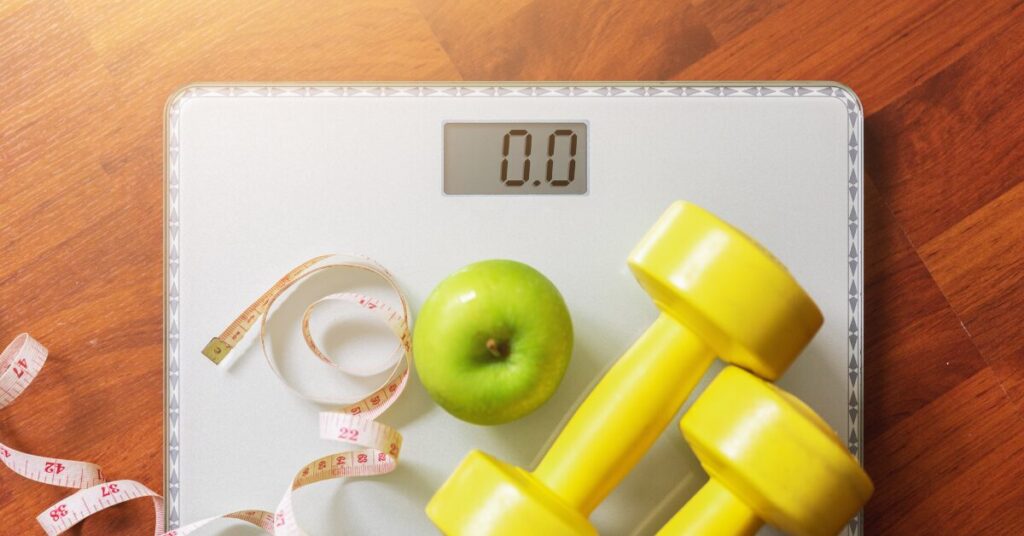
Building an Effective Mounjaro Meal Plan
Avoiding the wrong foods is only one part of the strategy. A successful Mounjaro meal plan focuses on:
- Lean protein for satiety and muscle preservation
- Whole grains for sustained energy
- Vegetables for fiber and micronutrients
- Healthy fats in controlled portions
Hydration is equally important for reducing side effects and maintaining metabolic efficiency. FitRx provides structured planning through prescription weight loss programs for lasting results, ensuring users follow a clear, sustainable system.
Common Mistakes That Slow Progress
One of the most common mistakes is focusing solely on calorie reduction while ignoring food quality. Another issue is relying too heavily on processed “low-calorie” foods that lack nutritional value. These approaches often result in slower progress and increased hunger.
Skipping meals is another problem, especially since Mounjaro reduces appetite. While it may seem beneficial, it can lead to nutrient deficiencies and decreased energy levels. FitRx promotes a balanced approach that prioritizes consistency and long-term sustainability over quick fixes.
Conclusion
Understanding what not to eat on Mounjaro is essential for maximizing results and minimizing side effects of mounjaro. Foods high in fat, sugar, and processing can interfere with digestion, disrupt blood sugar levels, and slow down weight loss progress. On the other hand, a structured and balanced approach to nutrition enhances the effectiveness of the medication.
By making informed food choices and maintaining consistency, users can achieve steady and sustainable results. With proper planning and support from FitRx, it becomes easier to align your diet with your goals and build habits that extend beyond short-term weight loss.
FAQs
1. What foods should I avoid most on Mounjaro?
You should avoid fried foods, sugary snacks, processed meals, and carbonated drinks, as they can increase side effects and slow weight loss.
2. Can I eat carbs on a Mounjaro weight loss diet?
Yes, but focus on complex carbohydrates like whole grains and avoid refined carbs such as white bread and sugary foods.
3. Why do I feel nauseous after eating certain foods on Mounjaro?
Mounjaro slows digestion, causing heavy or fatty foods to stay in the stomach longer, which can lead to nausea and discomfort.
4. Is alcohol allowed while taking Mounjaro?
It is best to limit alcohol, as it can interfere with blood sugar levels and reduce the effectiveness of the medication.
5. How can I improve my Mounjaro meal plan?
Focus on whole, nutrient-dense foods, proper hydration, and portion control while avoiding processed and high-sugar items.
 Techycameras