 By Techycameras
In today’s digital age, data is revolutionizing how individuals approach buying a home. From artificial intelligence (AI) tools to comprehensive online resources, prospective buyers have access to an unprecedented wealth of information that can guide their decisions. For those seeking expert guidance in the Miami area, South Miami real estate experts Team Citron offer personalized services tailored to each client’s unique needs. Led by the mother-daughter duo, Bea and Jenna Citron, Team Citron combines extensive real estate experience with creative marketing strategies to help clients realize their real estate dreams. Their deep knowledge of Miami’s diverse neighborhoods, from Miami Beach to Key Largo, ensures comprehensive coverage and support.
Artificial intelligence has become a significant player in the real estate sector. A recent survey found that 82% of Americans use AI for housing market insights, with platforms like ChatGPT and Gemini leading the way. These tools offer personalized search experiences, helping buyers filter through listings more efficiently.
As AI-driven tools grow more advanced, they now offer capabilities beyond just listing curation. Smart algorithms can analyze vast datasets, accounting for factors such as neighborhood crime rates, local school ratings, access to amenities, historical pricing trends, and upcoming infrastructure projects. This comprehensive analysis enables buyers to compare options confidently, reducing uncertainty and improving negotiation leverage. Additionally, some AI platforms allow buyers to forecast future property values, helping them make investment-based decisions and anticipate local market shifts.
The internet has reshaped how buyers connect with real estate agents. According to Zillow’s 2025 Consumer Housing Trends Report, 36% of sellers now find their agents through online channels, more than doubling since 2018. This shift underscores the importance of a robust online presence for agents and the growing reliance of buyers on digital platforms.
Moreover, online reviews and agent profiles create transparency in the selection process. Buyers frequently consult platforms that rate agent performance and aggregate testimonials, making it easier to identify agents who demonstrate market expertise and stellar customer service. Through virtual tours, interactive chatbots, and digital document signing, agents can now engage and serve clients who are relocating or unable to attend in-person meetings. This digitization reshapes client expectations and encourages agents to continuously improve their service quality and technical proficiency.
Environmental considerations are increasingly influencing home-buying decisions. Real estate websites are incorporating climate change data into listings, providing information on risks like flooding and air quality. This transparency empowers buyers to make informed choices about potential properties.
Prospective homeowners are paying attention to factors such as rising sea levels in coastal markets, wildfire risk in forested areas, and urban heat islands. As climate reports and interactive hazard maps become more widely available, buyers can cross-reference a property’s risk factors with their own priorities and insurance requirements. This shift means that environmentally resilient properties, those built to withstand natural disasters or reduce energy use, are seeing greater demand and, in some cases, commanding premium prices. The next generation of homebuyers considers the long-term viability of a property as vital as its architectural appeal.
Younger generations are turning to social media and AI for home-buying information. Platforms like YouTube and TikTok offer educational content, while AI tools provide personalized guidance. This trend highlights the evolving landscape of real estate research and the need for agents to adapt to these new channels.
From video walk-throughs to interactive Q&A sessions, buyers can now access a treasure trove of information and advice, often tailored to their age group, budget, or preferred locations. Influencers and real estate professionals frequently share first-hand experiences, tips for navigating paperwork, and up-to-date market analysis in easily digestible formats. AI chatbots built into these social platforms can answer specific buyer questions in real time, streamlining the search process and encouraging informed decisions.
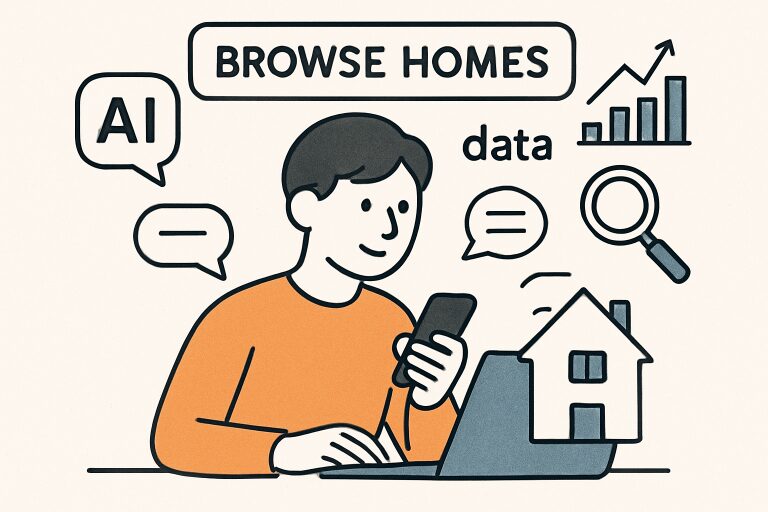
Despite technological advancements, the human element remains crucial in real estate transactions. Experts believe that while AI can enhance the buying process, the expertise and personal touch of real estate agents are irreplaceable, especially when making significant financial decisions.
Agents understand the nuances of negotiation, property law, and transaction timing, providing reassurance that technology alone cannot offer. Seasoned professionals can discern subtle local trends and anticipate issues that algorithms may overlook, such as shifting neighborhood perceptions or pending municipal changes. The emotional aspect of buying a home, from excitement to anxiety, is also best managed by an empathetic agent who can provide both expert guidance and meaningful support.
Access to comprehensive data allows buyers to make more informed decisions, potentially leading to better financial outcomes. By leveraging AI tools and online resources, individuals can assess market trends, property values, and environmental risks, ensuring they choose homes that align with their needs and budgets.
With predictive analytics, buyers can time their purchases more strategically, optimizing their investment and even securing more favorable mortgage rates. Comparative market analysis (CMA) tools, heatmaps showing price appreciation, and mobile apps that monitor price changes in real time have made complex market dynamics accessible to everyday consumers. In the long run, these resources help avoid costly mistakes and uncover opportunities that might otherwise be missed.
The integration of data and technology into the home-buying process offers numerous benefits, from personalized search experiences to informed decision-making. However, balancing these tools with the expertise of real estate professionals ensures a holistic approach that leads to successful, satisfying home purchases.
As the landscape continues to evolve, it is clear that data-driven insights will increasingly empower buyers. However, successful outcomes will always depend on a blend of innovative technology, environmental awareness, and the irreplaceable perspective of a trusted real estate professional. The future of home buying is informed, interconnected, and, above all, customer-centric—making it an exciting era for both buyers and real estate agents.